Tomato Sauce and tomatoes are universally associated with Italian Food …
And for good reason. Tomatoes and tomato sauce are both important components of many Italian Food recipes.
In a perfect world one would walk outside to their garden and gather tomatoes to make tomato sauce. You could choose from any number of varieties of non-hybridized or heirloom tomatoes. With varying degrees of ripeness. Green for frying with breadcrumbs. Semi-ripe for salads and as sandwich toppings. And very ripe for tomato sauce. The skin would be thin and the tomato flavor overpowering. But this is not a perfect world.
Huge corporate seed companies made a decision decades ago. They decided the market demanded commercially raised tomatoes. And they needed to be picked by machine to save labor. They had to be harvested green, not ripe. So they could travel long distances. And also not suffer damage. And be ready for artificial ripening in a gas filled room. They also decided that all tomatoes had to look perfect. No craggy surfaces or brown spots. Totally symmetrical. Tomato asthetics is not a big concern when making tomato sauce though. It’s all about the flavor.
This breeding process produced gorgeous looking tomatoes. But unfortunately with a waxy, thick skin. And mealy meat and very little tomato flavor. Today, virtually every variety of tomato has been hybridized in this fashion. Older varieties, heirloom tomatoes, still exist. But only because small farmers are filling the need. Tomato purists are demanding these older seeds. They require much more care and produce uneven fruit. But the flavor… oh… the flavor. And that flavor is magnificent in tomato sauce.
Ironically, even many heirloom or older seeds have been hybridized to a degree somewhere along the line. That’s to improve disease resistance. They’re still much more delicious than the average “new age” tomato. But they lack the true flavor of the original Open-Pollinated plants. Fortunately there are specialty seed houses worldwide. They produce very old, non-hybridized tomato seeds. They’re readily available for purchase online. And they’re great for making tomato sauce.
Here in the U.S., commercial heirloom production is increasing. But not enough to make them affordable to the average consumer. At least not yet.
Large scale commercial heirloom tomato production is still in full swing. Especially in the San Marzano region of Italy. This is near Naples where some of the world’s finest tomatoes are grown. San Marzano tomatoes are plum shaped. They’re similar to the Roma variety, but thinner. And they have a much more delicate, thin skin. And a powerful tomato flavor. Perfect for tomato sauce.
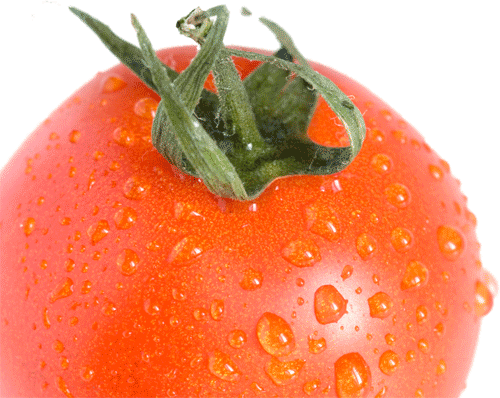 Heirloom tomatoes like San Marzano are Open-Pollinated varieties. They change very little from one season to the next. The Italian government has designated that true San Marzano tomatoes are precisely labeled. Like many other authentic foods and cheeses, they bear the D.O.G. label. Otherwise known as the European Union’s Designation Of Origin label. The label is on every can or container, so they are easy to identify in the store. There’s another label that identifies these authentic food products, from Italy, too. And that is DOP certified: Denominazione di Origine Protetta. Or Protected Designation of Origin. If you want to use tomatoes in cans or containers to make tomato sauce, these are the ones to get. We highly recommended them.
My two favorite producers of San Marzano are the Cento and Pomi brands. Both are readily available in stores. And both companies produce very reasonably priced tomatoes. These are excellent for making tomato sauce. Cento makes an all natural puree, without preservatives. I bought some last week at my local grocery store for $1.29 per can. You can also get most Pomi all natural, unpreserved cans for around $2.25. Most importantly, they give you a choice of tomatoes with or without preservatives. Specifically Citric Acid.
When choosing canned or preserved tomatoes ALWAYS choose those packed WITHOUT Citric Acid if you have a choice. Tomatoes canned without preservatives can mimic and many times even rival fresh, vine ripened tomatoes for flavor. Again, excellent for making tomato sauce.
The Holy Grail of achieving the finest, most extraordinary flavor for tomato sauce? It’s the just picked, vine ripened, heirloom variety tomato. Italian variety or not.
Here’s the order of preference:
- Fresh, extra ripe, vine ripened heirloom tomatoes – WAY TOO EXPENSIVE.
- Fresh, extra ripe, vine ripened hybrid tomatoes – WAY TOO EXPENSIVE.
- Canned Tomatoes WITHOUT CITRIC ACID or other preservatives – THE WINNER!!!!
- Canned Tomatoes with Citric Acid or other preservatives – ONLY WHEN NECESSARY.
Entrepreneur and Raconteur. Has taken Kyle Phillips (former Principle/Blogger for the About.com
Guide to Italian Food) to task on several supposedly “authentic” Italian recipes.
What brands of tomato paste are made without citric acid?